
Winter Storm Prep for Bay Boats
Pacific atmospheric rivers don't care about your dock lines. Here's how we secure customer boats for SF Bay winter storms — before they hit.
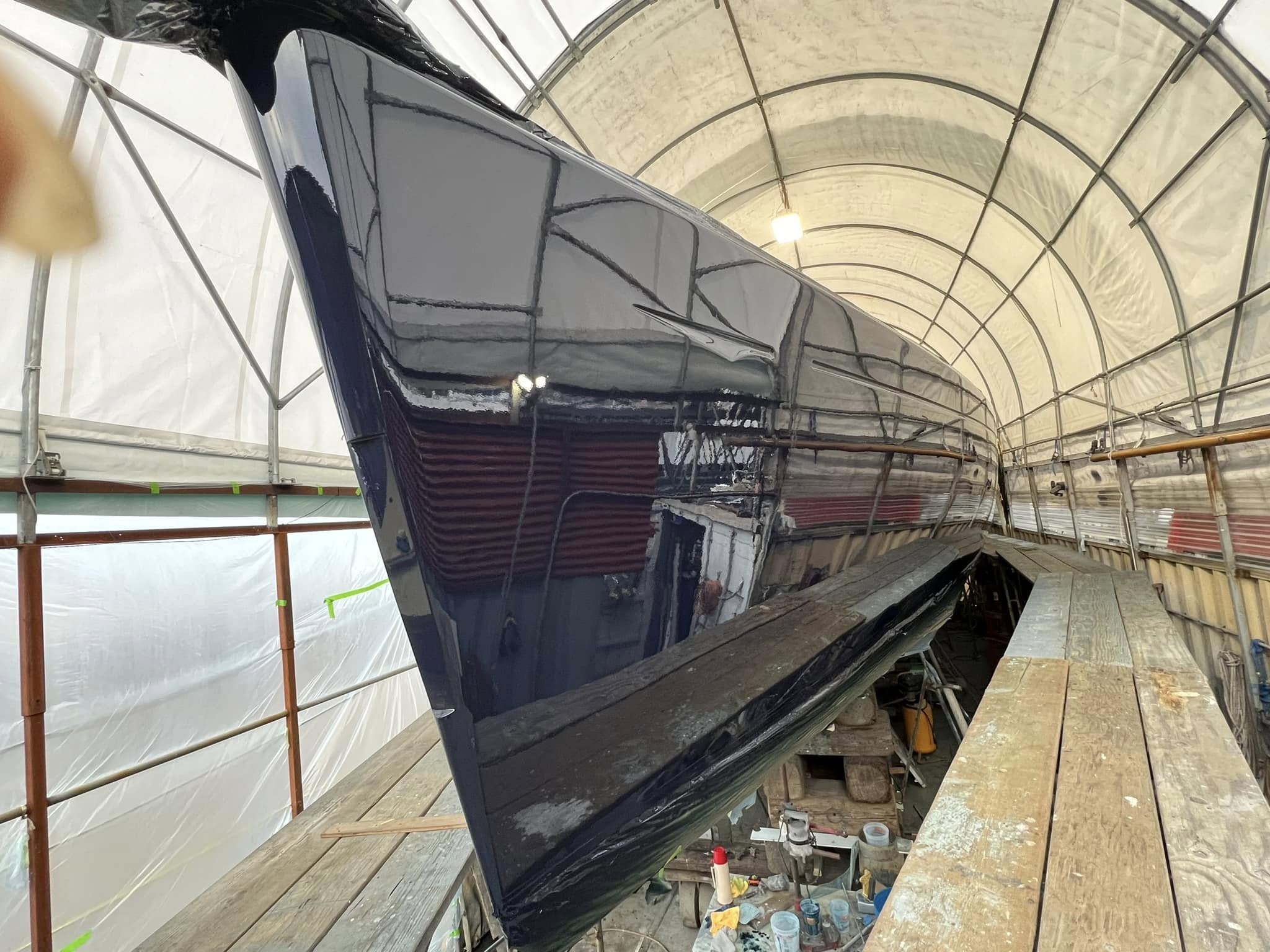
The Bay doesn't get hurricanes — but Pacific atmospheric rivers in December and January can produce 60-knot gusts, 6-foot wind chop in the marinas, and sustained 4-day blows that test every dock line on your boat. Here's how we prep customer boats every fall, in priority order.
Dock lines (the most important step)
More boats sink in marinas from line failure than from any other storm cause. Every line should be inspected for chafe, sized for the boat (3/4" minimum on a 35-footer), and routed with chafe gear at every contact point. Springs and breast lines matter more than bow and stern in tight slips — they're what hold you off the dock.
- Inspect every dock line — replace any with visible chafe or chalking
- Add chafe gear (firehose or commercial) at chocks and hawse pipes
- Double up bow and stern lines on storm forecasts >40 kts
- Check spring line tension — tight, not slack
- Adjust slack for tidal range (Bay tides run 5–7 ft)
Above-deck
Anything that catches wind needs to come down or be lashed. Bimini canvas, dodgers, sail covers, headsails on furlers — these are what fail first and become flying debris that damages neighboring boats. Lashing a furled headsail with three sail ties prevents it from unrolling in 50-knot gusts.
- Remove or lash bimini and dodger canvas
- Three sail ties on furled headsails (top, middle, bottom)
- Mainsail covers fastened, not just snapped
- Cockpit cushions stowed below
- Loose deck items (boat hooks, fenders, propane) secured
Bilge pumps and float switches
A blocked bilge pump that doesn't run during a storm is how boats end up on the bottom. Test float switches the week before. Make sure batteries are fully charged and shore power is connected — most boats use 5–10 amps cycling pumps during a heavy storm. A second float switch and pump is cheap insurance.
- Test every bilge-pump float switch by hand
- Verify shore power connected and battery on charge
- Add a high-water alarm if you don't have one
- Check that bilge discharge thru-hulls aren't underwater at high tide
Through-hulls and seacocks
Close every non-essential seacock before a major storm: head intake, sink drains, refrigeration cooling. Leave engine raw-water and cockpit drains open. The fewer holes that can fail, the better. While you're down there — operate every seacock to make sure it actually closes.
Battery and electrical
House batteries should be at full charge with shore power connected and the charger verified working. If shore power fails (common in heavy storms), batteries need to last 48 hours running bilge pumps. Disconnect electronics if you're not aboard — surges from utility issues kill expensive chartplotters.