Spring Commissioning Checklist for SF Bay Boats
The 18-point spring checklist we run on every customer boat before the first sail of the season — from impeller swap to safety gear inspection.
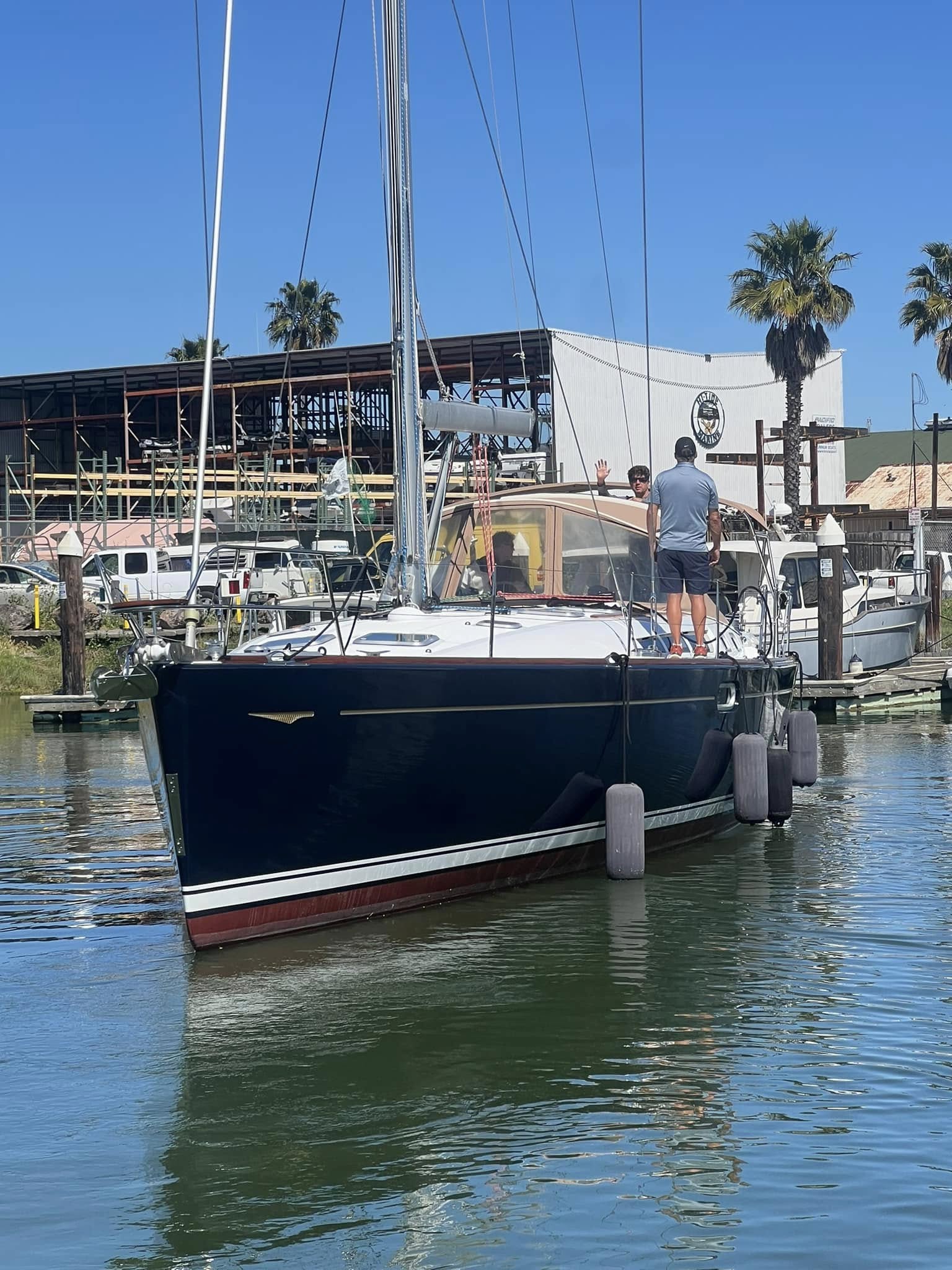
March on the SF Bay means it's time to wake the boat up. After a wet winter, even boats that ran fine in October will surprise you in April — old fuel, dead batteries, frozen impellers, blistered hoses. Here's the same 18-point checklist our techs run before every customer's first sail of the season.
Engine & Mechanical
Start with the basics: change the oil and filter, swap the raw-water impeller (every season, no exceptions), inspect belts for cracking, check coolant level and freeze protection, replace the primary fuel filter, and run the engine to operating temperature at the dock. If you skipped winterizing, also bleed the cooling system and check the heat exchanger for scale.
- Engine oil + filter change
- Raw-water impeller replacement (annual)
- Belt inspection — cracks or glazing means replace
- Coolant top-up + freeze test
- Primary fuel filter swap
- 30-minute dock run to operating temp
Fuel System
Old fuel is the #1 cause of springtime no-starts. Diesel that's been sitting since October will have water in the bottom of the tank — drain the Racor bowl until you see clean fuel. Gasoline with ethanol will have phase-separated; if there's any doubt, pump the tank dry and start fresh. Add a stabilizer for the next season.
- Drain Racor / fuel-water separator bowl
- Inspect tank for water (clear bowl test)
- Replace primary + secondary fuel filters
- Add ethanol stabilizer (gasoline boats)
Electrical
Marine batteries die over the winter if they're not on a maintainer. Test resting voltage — anything under 12.4V means the battery is sulfated. Load-test before the season starts; replacing at the dock is cheaper than getting towed off the Bay. Check shore-power inlets for corrosion and verify all bilge-pump float switches operate.
- Battery resting voltage test (>12.6V good, <12.4V replace soon)
- Load-test all start and house batteries
- Inspect shore-power inlet for corrosion / discoloration
- Test all bilge-pump float switches
- Verify nav lights, anchor light, deck lights all function
Hull & Bottom
If you didn't haul in fall, now's the time. Check the bottom paint condition — Bay growth is brutal by April, and a fouled bottom costs a knot of speed and 20% of fuel economy. Inspect zincs (replace at 50% wear), seacocks (work them all open and closed), and through-hulls for any pink dezincification on bronze fittings.
- Bottom paint inspection — recoat if bare patches showing
- Zinc replacement (anything below 50% gets swapped)
- Operate every seacock open and closed
- Inspect through-hulls for pink corrosion (replace immediately)
- Check shaft cutless bearing for play (under 1/16")
Safety Gear
USCG-required safety gear has expiration dates. Flares expire 42 months from manufacture. Fire extinguishers need annual visual inspection and weighing. Life jackets in lockers should be checked for mildew and broken buckles. EPIRB batteries should be inspected for the replacement date.
- Flare expiration dates (42 months from manufacture)
- Fire extinguisher pressure + tag
- Life jacket count + condition (one per person, plus throwables)
- EPIRB battery + registration current
- First aid kit restock
Sailboat-Specific
Sailboats need rigging inspection before the season. Walk the deck looking for cracked chainplate seals, then look up — frayed wire, loose cotter pins, or cracked turnbuckles are reasons to pull the rig. Lubricate winches and inspect sails for chafe and UV damage on leech tape.
- Walk the rig — inspect every cotter pin and turnbuckle
- Check chainplate sealant for cracks
- Lubricate winches with proper grease (Harken / Lewmar)
- Inspect sails for chafe and UV-damaged leech tape
- Verify halyards and sheets for chafe at the cleats